
Last updated on August 1, 2025 by Shannon
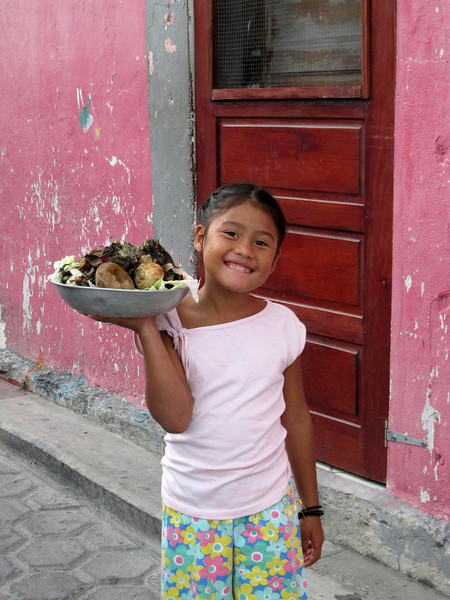
A new country for me is all about the people and the culture. Although I love seeing major iconic sights—they are popular for a reason, after all!—my conversations with locals, immersive traveling, and off-the-path volunteering have proven my most transformative travel experiences.
Perhaps it’s this very reason why Belize caught me off guard. My expectations regarding the country’s culture, food, and tourism value have been overturned and surpassed in every way.
What Should You Know About Belizean Culture?
They speak English in Belize, for starters, and the Queen herself graces the face of their coins and dollars. Though I knew all of this going in, I still had expectations that the culture would more closely align with the rest of Central America.
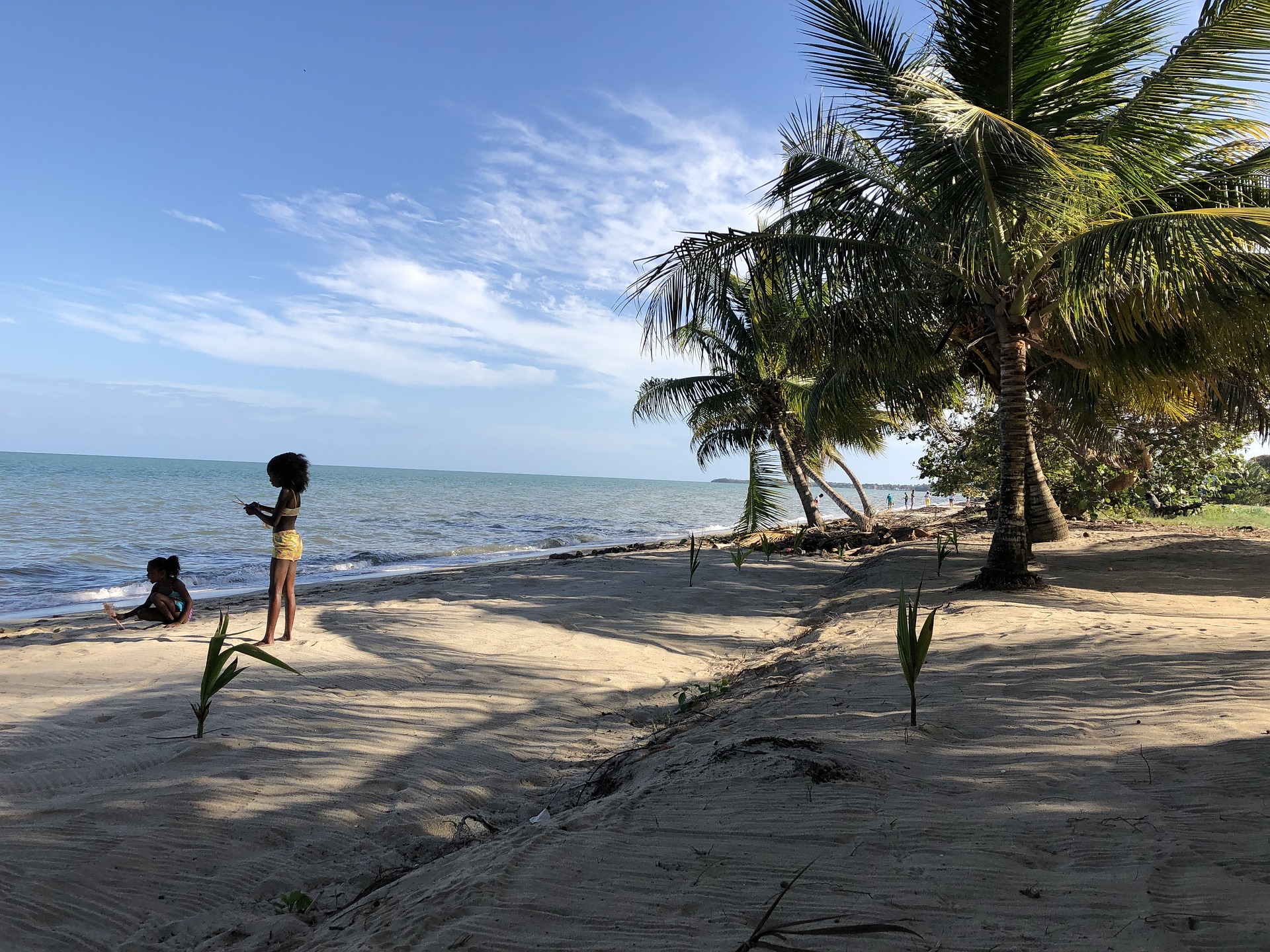
Well, that’s not the case. Yet, for all that Belize is a British Commonwealth, there’s something more to Belize—something I discovered only once I cast aside expectations and stripped myself preconceptions.
When you travel in Belize, you have to take the country for itself, not as a piece or model of anything else. And while that can be said of most countries, when you travel through a region of the world where war and politics have continually redrawn boundaries, there is often a good deal of overlap in food, culture, and history.
How Belize’s Culture and History Intertwine
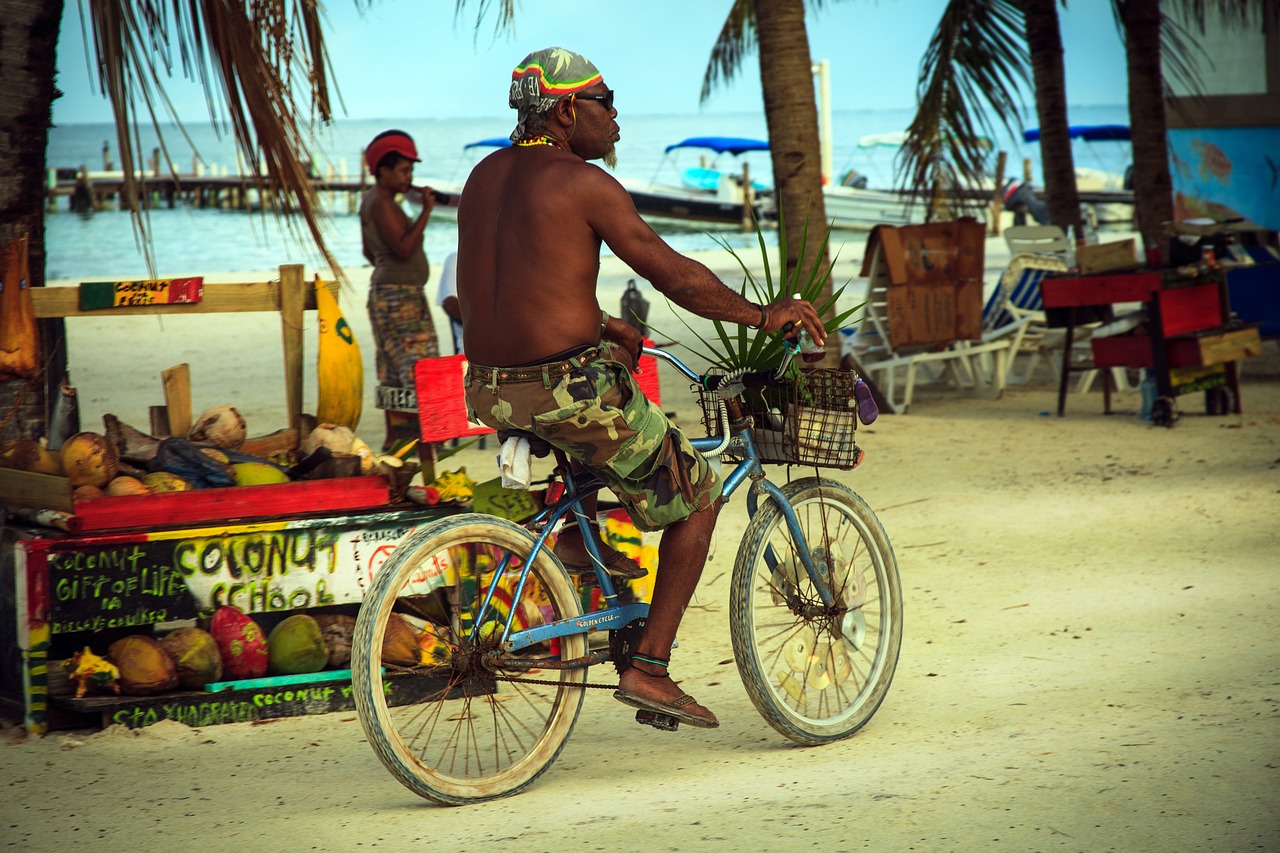
The culture of Belize is an intricate tapestry, woven through the passage of time with threads of ancient Mayan civilization, British colonial influence, Afro-Caribbean heritage, and the nuances of smaller ethnic communities. It’s a colorful blend, and each thread is identifiable in various areas of the country.
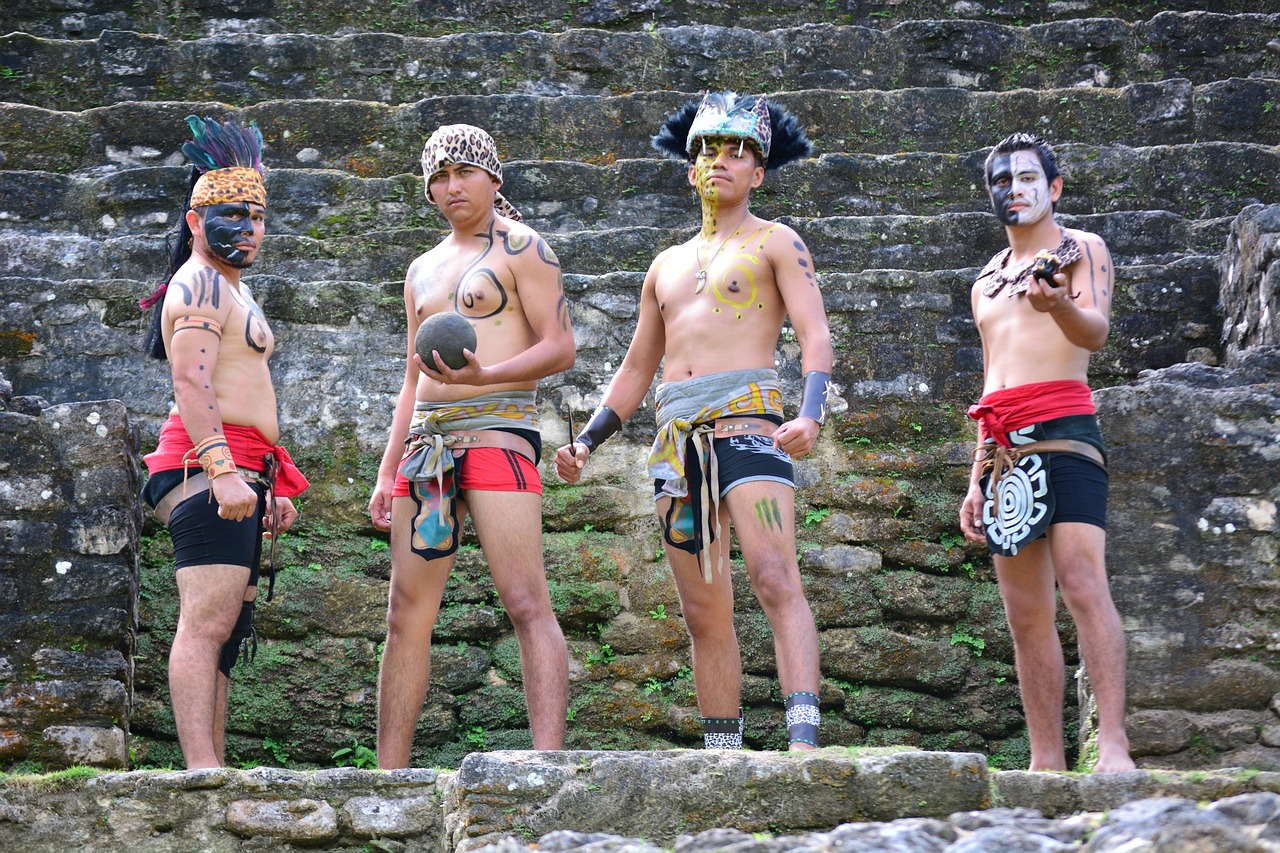
Once the heartland of the ancient Mayan civilization, Belize still carries the echo of its indigenous roots. Archaeological sites like Caracol and Lamanai stand as sentinels to a time when the Mayan Empire stretched its sinewy path into this stretch of coast.
While the Mayan population has dwindled in modern-day Belize—the Yucatán Peninsula in Mexico is home to the largest population of Mayan people, their influence lingers in the spiritual beliefs, agricultural practices, and even the cuisine of Belize—think corn-based dishes like tamales and garnaches.
Alongside the Maya, there are other unmistakeable influences. The British colonized Belize in the 19th century, and English remains the official language—a rarity in Central America. British impact reverberates in the legal and educational systems, and even in the tradition of afternoon tea.
Colonial history is part and parcel of this region’s history, but beyond demonstrating European imposition, it demonstrates how effectively some of Belize’s most interesting cultures—the Garifuna people and the Creoles—resisted colonization.
Creoles, primarily of mixed African and European descent, and the Garifuna, of mixed African and indigenous Arawak descent, form significant parts of the Belizean story. Each brings a lively cultural heritage, evident in music styles like punta and brukdown, and foods like stew chicken and cassava bread.
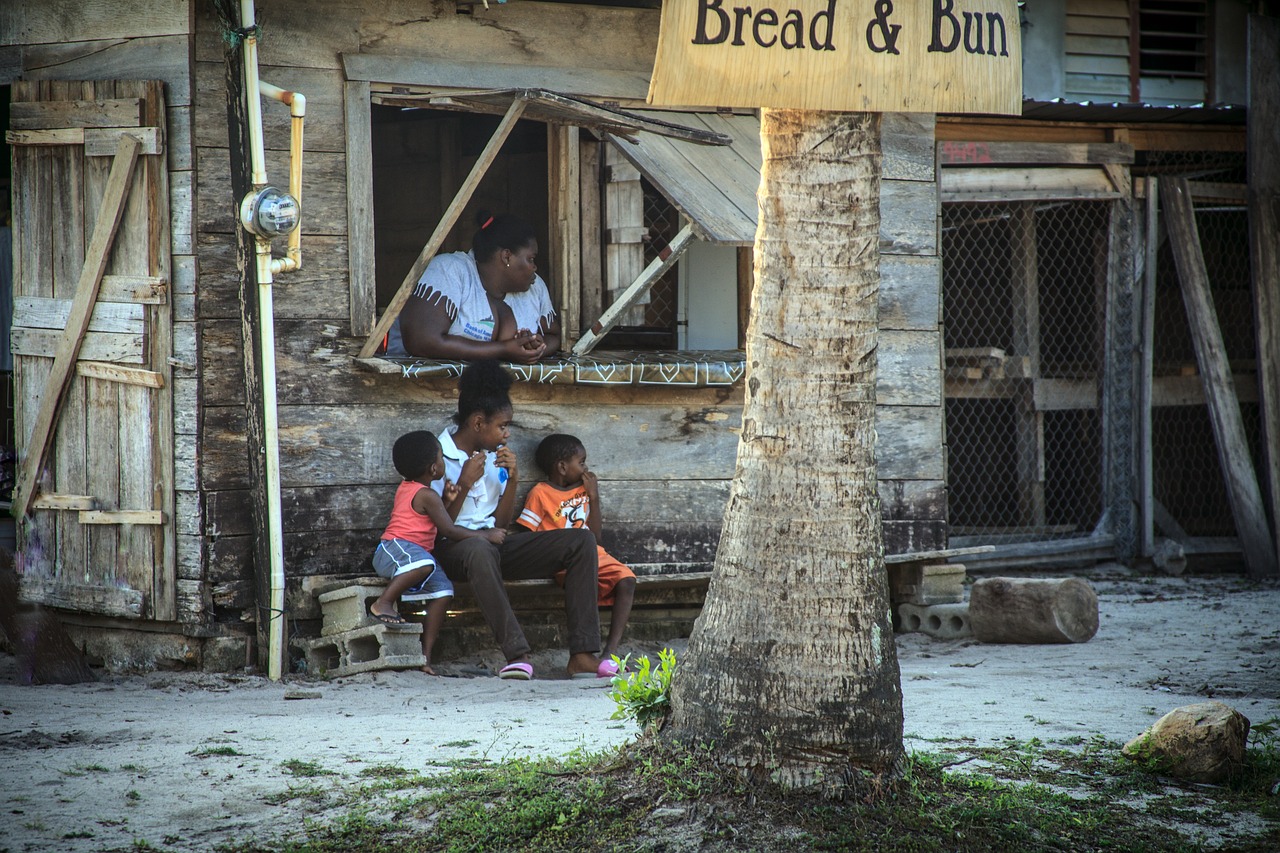
The Garifuna, in particular, have a fascinating history of resilience. Exiled from the Caribbean island of St. Vincent, they found refuge in Belize, and their culture has been recognized by UNESCO for its Intangible Cultural Heritage .
Adding more nuance are the Mestizos, people of mixed indigenous and Spanish descent, who have contributed the Latin flavor evident in popular Belizean dishes like salpicón and panades. Smaller communities of East Indians, Chinese, and even Mennonites add even more layers to Belize’s intricate cultural identity.
What you’ll find in Belize is a fascinating fusion of languages—English, Creole, Spanish, and Mayan dialects. The many cultures of Belize have lived side-by-side, and often intermixed. From the ancient Mayan ruins that beg to be explored to the rhythmic beats of Garifuna drumming, Belizean culture is among the most unique in Central America,
What Makes Belize’s Culture So Unique?
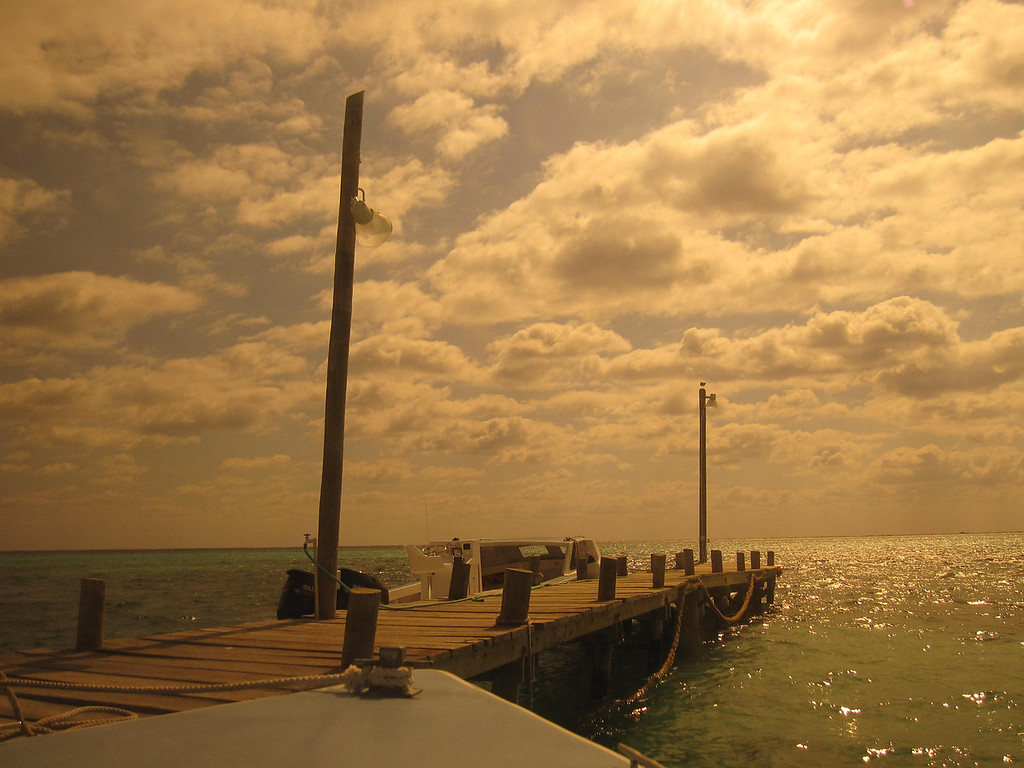
Belizeans exude friendliness, for starters. After traveling around the world for years, I have earned a certain level of travel savvy when it comes to touts and hustles. But Belize surprised me.
Locals followed me through the streets offering advice and recommendations, as often happens in developing countries, but with no expectation of a tip—this rarely happens!
At first, I didn’t trust any offers of genuine kindness—there had to be a catch, I thought.
After our debacle of a border crossing at Chetumal, my new friends and I arrived in Corozal, a transient town light on infrastructure. The sun had set hours before and with no streetlights, we used a flashlight to follow our map and locate a guesthouse.
Along the way, no fewer than four Belizeans offered their help, showing us to our hostel, the exact one that we had picked. Often in this situation, a tout bombards me with other choices—telling me the one I want is bad/closed/far/etc. Or, they offer to show me the way and carry my luggage—for a fee. It’s almost always something.
It’s cynical to say this, especially because I have overwhelming received help along the way, too, but not often in situations where tourists are known to be vulnerable (like those riding the last chicken bus of the day across the border in the dark, into a new culture and currency).
Yet, the Belizeans in Corozal seemed to have no ulterior motive, they merely wanted to ensure I made it to my hostel safely. And this was not an isolated incident!
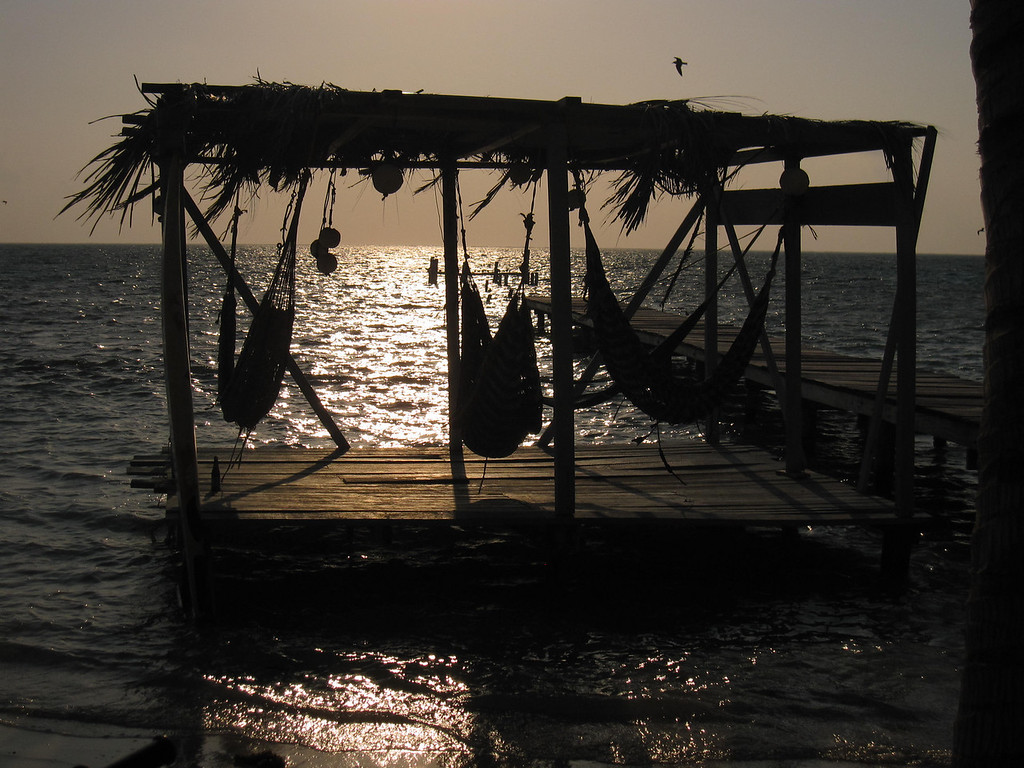
Over the next several days, once I made it to the Cayes (islands located just off the coast and sitting nearly on top of Belize’s Barrier Reef), the characteristic friendliness intensified once it mixed that laid-back island culture you find on nearly every island in the world.
But it’s likely more than just being islands—it has a fair bit to do with the fact that Belize has an eclectic cultural mix calling the country home.
Belize is a small country, it has a fair number of tourists, but it’s not overwhelmed with them, and many locals seem to genuinely enjoy extending a friendly welcome to newcomers.
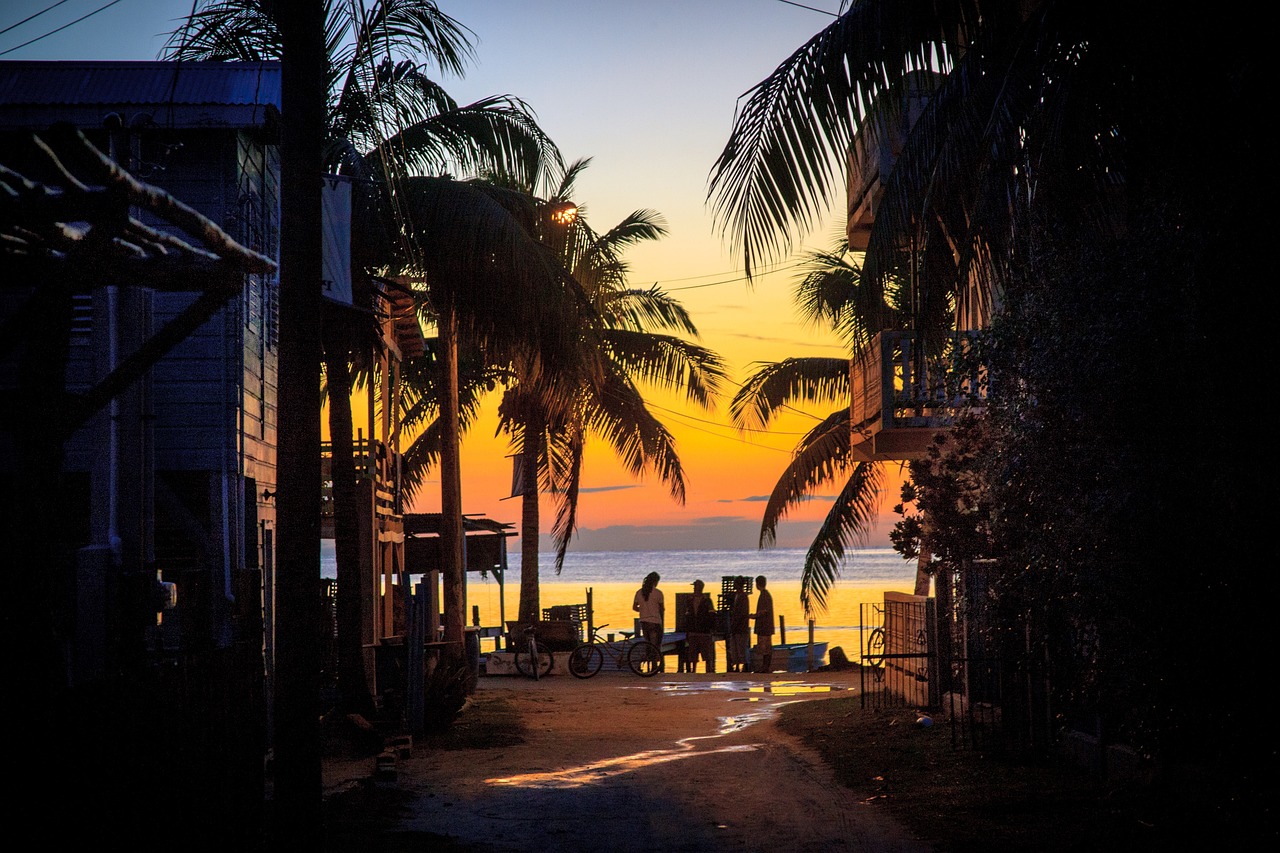
One day, a local man called me over to his shady tree stump, interrupting my rapid walk down the beach. He absolutely insisted that I come over to hear what he had to say. Miffed by what could be so important (and growing wary, despite the kindnesses I had been show), I sauntered over to a friendly distance.
He nodded at me and eyed me under the rim of his sunhat, casually drawling, “Slow down my friend. You’re on Belize time, what’s the hurry?”
He was right—where did I truly need to be when the white sand of Caye Caulker gave way underfoot and the lapping Caribbean waters beckoned for a swim?
Hello, great article. I’m making a school presentation about Belize and since i cant use Wikipedia as a source I found another site—can you please confirm if the information is accurate? Thanks in advance :)
Hi John, I wouldn’t say that source was very authoritative. I would look for what you need on a site like https://www.britannica.com/place/Belize — Good luck!
Beautiful pics.. thx for sharing..
Belize can be truly described as a multi-ethnic and multi-lingual society. The Yacatec, Mopans and Kekchi are three Amerindians that make up the Belize's population. The Yucatec originated from Yucatan and came to Belize in the mid nineteenth century to avoid the War of Castes.
Quite interesting to hear that. +10 Points to Belize in my chart! I would definitely like to visit there.
It's really great – it was a British Commonwealth as well so it has a
bizarre blend of Central American and Western cultures, worth visiting :-)